


The navigation has already been bound to the data source; simply select the navigation category on the panel. To customize the navigation style, edit the CSS code. To rebind the data source, switch to code mode and search for the comment “[.vpHide:not([nd_deleted])]” to uncomment it.
Lighting has a significant impact on a family’s happiness and well-being.
发布时间:2024-09-23

Lighting is not merely intended to meet visual needs; it also exerts a profound influence on people’s physiological and psychological well-being. In residential settings, a well‑designed lighting scheme can significantly enhance quality of life and elevate the comfort of the living environment. For instance, ample natural light helps regulate the body’s circadian rhythms, promoting physical health, whereas inadequate or poorly planned artificial lighting can pose health risks. Natural light has an undeniable impact on mental health, as it can affect mood and psychological state. A lack of natural light or poorly conceived lighting design may lead to diminished sleep quality, emotional instability, and even physical discomfort.
Inappropriate lighting practices can also have adverse health effects. For instance, excessive or insufficient illumination, glare, and flicker—common poor lighting conditions—may lead to visual fatigue, impaired vision, and even headaches and migraines. Moreover, poorly designed lighting can affect residents’ mood and psychological well-being, thereby impacting household happiness and quality of life.
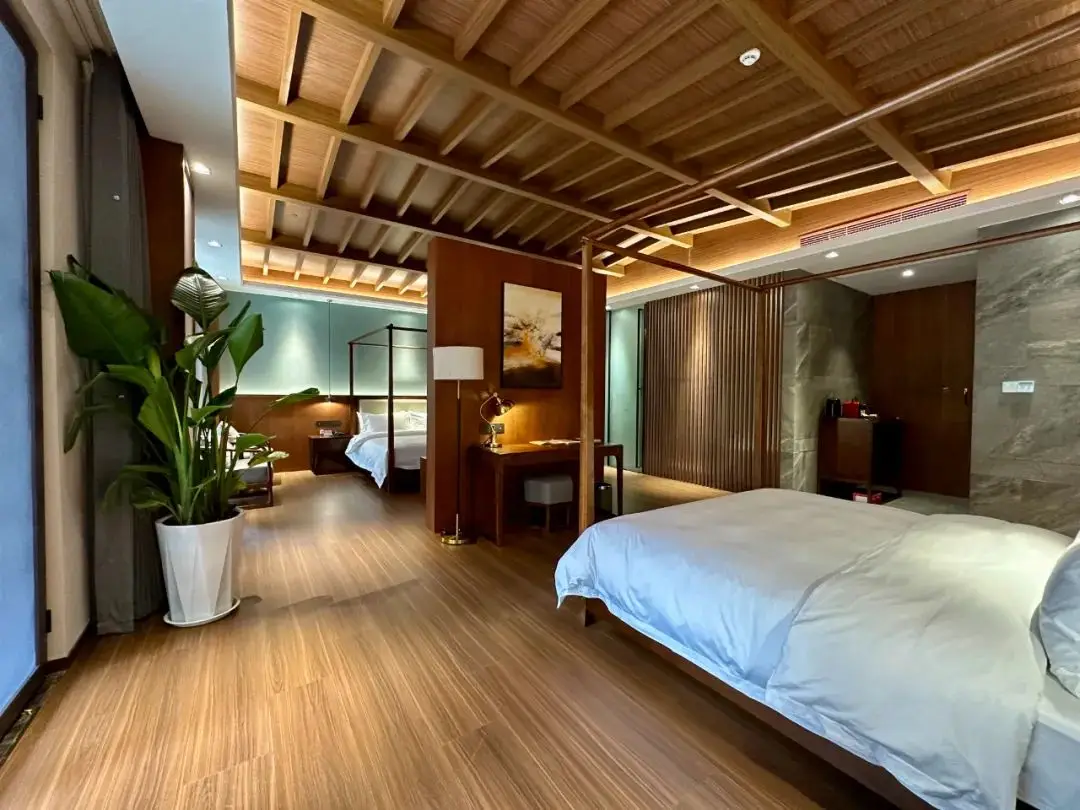
Therefore, creating a healthy home lighting environment requires taking into account factors such as illuminance, color temperature, and color rendering index, as well as maximizing the use of natural light while minimizing light pollution. A scientifically sound and well‑designed lighting scheme not only enhances the aesthetic appeal and comfort of the home but also promotes the physical and mental well‑being of its occupants, thereby boosting family happiness and overall health. Yes.
Related applications
Why is the visual red spectrum considered healthy light?
The Importance of Color Rendering — The Art of Light and Color
Brand
Service Hotline
Domestic Market 86 18923337896 Ms. Yu
International Market 86 18475722601 Ms. Tang
Email box
-